
What Do Bees Do in Nature and Daily Life
Bees might look small, but their work shapes entire environments. Every time a bee visits a flower, it sets a chain of events in motion. This is why Bees Important to plant health, seed production, fruit growth, farming systems, wildlife survival, and human diets.
How Bees Keep Plants Alive
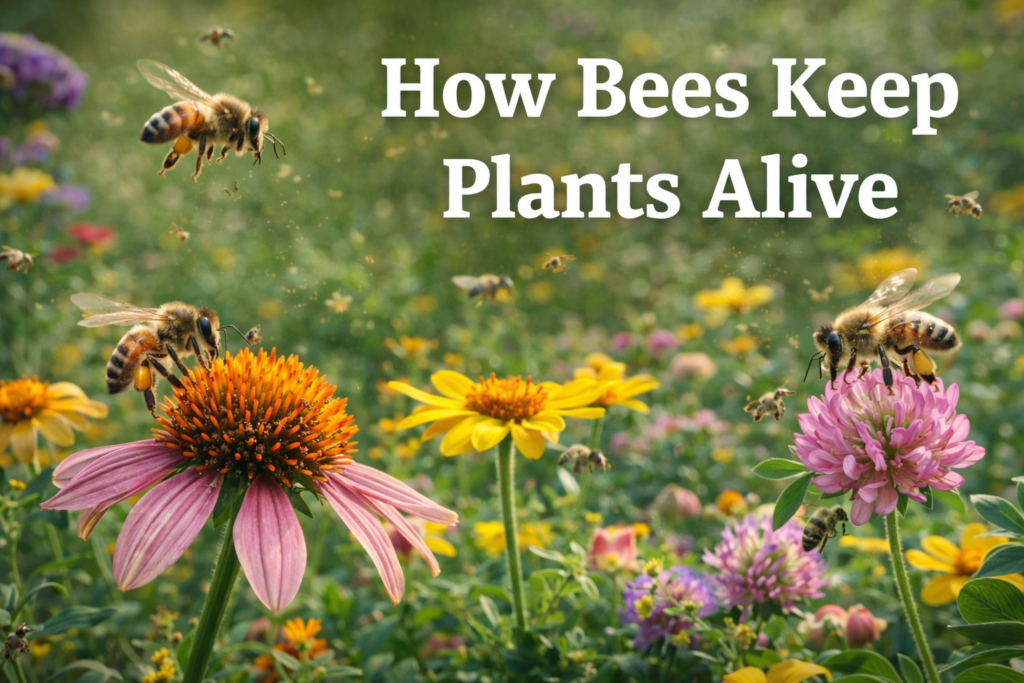
Many plants cannot reproduce on their own. They need a visitor that can carry pollen from one flower to another. Bees do this naturally while collecting nectar, which is why Bees Important for healthy pollination cycles. Some crops barely produce anything when bees are missing. Fields with strong bee activity lead to high-yield seasons, while low activity results in weak growth and poor fruit formation.
How Bees Support Food Production
If you walk through a grocery store, you are looking at the outcome of millions of pollination trips. Apples, cucumbers, almonds, berries, melons, pumpkins, mustard, and oilseed crops depend heavily on bees. This shows how Bees Important to modern food production systems. Farmers monitor bee movement closely because harvest outcomes depend on it. Good pollination often increases yield more effectively than fertilizer or irrigation.
Why Bees Matter for the Environment
Bees help plants make seeds. Seeds create new plants. These new plants build soil, feed wildlife, and keep natural systems alive. Abandoned patches of land can recover when wild bees return, proving again how Bees Important to ecological balance and habitat restoration.
Why We Need Bees for Human Survival
People ask why bees are important to humans. The answer becomes clear when you look at how fragile our food system is without them. Many fruits, vegetables, nuts, and seeds rely on bee activity. Without bees, dietary diversity would shrink fast. This is why Bees Important to food security, stable prices, and long-term human health.
How Bees Help Humans Directly
Honey is the most familiar product, but it is only a small part of what bees offer. Their real value comes from the crops they help produce. When bees pollinate a field, fruits grow better, seeds develop stronger, and overall crop quality improves. This directly shows how Bees Important to sustainable farming and reducing chemical dependency.
Bees in Agriculture and Global Food Supply
Global agriculture relies on bees more than many people realize. Large fruit and nut industries depend on managed colonies being placed in fields at the right time. Entire harvest schedules revolve around bloom cycles and bee movement. This operational dependency highlights how Bees Important to global food supply chains and agricultural economies.
Everyday Benefits People Don’t Notice
Most people do not think about bees when eating breakfast or walking through a park. They rarely notice how bees keep gardens blooming or how they support plants that wildlife depends on. Even landscapes that appear untouched rely on pollination. Many natural scenes people enjoy exist because bees keep plant life active and resilient.

Why Honey Bees Are Especially Important
Honey bees are the most managed pollinators in the world. They live in organized colonies, adapt to new surroundings quickly, and communicate with each other in ways that help them locate flowers efficiently. Their behavior makes them ideal for both small farms and large agricultural operations.
Pollination Workload of Honey Bees
A single honey bee can visit hundreds of flowers in one day. A colony can handle thousands. When you multiply that activity over blooming seasons, you understand why honey bees play such a key role in feeding the world.
Their Role in Commercial Farming
Beekeepers often move colonies from one crop to another. Almond growers, berry producers, and melon farmers depend on this service every year. Healthy honey bee colonies act almost like an invisible workforce that travels wherever crops need help.
Why They Are the Most Studied Insects
Researchers have spent decades studying honey bees because they show complex behavior. They communicate through movement. They navigate using sunlight and landmarks. They regulate the temperature inside their hive with incredible precision. Their abilities help scientists understand broader ecological patterns.
The Threats Bees Face Today
Bees do not struggle because of one problem. They face a combination of challenges that make survival difficult. I have watched colonies weaken when several stress factors appear at once.
Habitat Loss
When natural spaces disappear, bees lose their food sources. Urban growth and land clearing remove blooming plants that bees depend on throughout the year.
Pesticide Exposure
Some chemicals affect bees even when used correctly. They can interfere with their ability to navigate or return to the hive. Over time, this weakens entire colonies.
Climate Stress
Changes in temperature affect blooming seasons. When flowers bloom too early or too late, bees miss their main food sources. This breaks their natural rhythm.
Mites and Diseases
Varroa mites are one of the biggest threats today. They weaken colonies from the inside. Diseases spread faster when bees are under stress from other environmental changes.

How Bees Fit Into the Food Web
Bees support the first level of the food chain by helping plants grow, proving why Bees Important to ecosystem stability. When plants remain stable, every creature above them benefits. When bee populations drop, entire ecosystems lose their foundation.
Bee Food Web Explained in Simple Terms
Bees help plants. Plants feed herbivores. Herbivores feed predators. This structure works only when plants keep producing seeds and fruits. Bees make that possible.
Why Bees Are Key Insects in Ecosystems
They do not only support crop plants. They support wild plants. These wild plants provide shelter, nesting spaces, and food for countless animals. Without bees, many natural systems would collapse slowly over time.
What You Can Do to Help Bees
You do not need special equipment or training to make a difference. Simple choices protect bee populations in a very real way.
Small Steps for Homes and Gardens
Planting flowers that bloom in different seasons keeps bees fed throughout the year. Avoiding harmful chemicals gives them a safer environment. Leaving a small natural patch in the garden creates a resting space.
How Farmers and Students Can Support Bees
Farmers can plant flowering borders and limit chemical use during bloom season. Students can learn basic beekeeping practices, create school gardens, or help spread awareness within their communities.
What Actually Makes a Real Difference
Bees respond quickly when they have clean food, safe spaces, and steady bloom cycles. Even small changes in a community can help colonies recover.
Summary
Bees may look small, but their impact reaches every corner of life. They support crops, wild plants, and natural environments, showing why Bees Important to healthy ecosystems. They help feed people and protect natural balance. After many years of studying them, it is clear that the future of our food and our landscapes depends on their survival. Protecting bees today protects the world we will depend on tomorrow.
FAQs
Why are Bees Important to humans?
Bees help create a large part of the food we eat. Many fruits, nuts, and vegetables rely on pollination. When bees move pollen from one flower to another, plants produce better harvests. Without bees, food supplies would shrink and prices would rise.
What do bees do in nature?
Bees keep plants healthy by helping them reproduce. Their pollination work creates seeds, fruits, and new plant growth. This supports wildlife, soil health, and natural ecosystems.
Why are honey bees more important than other bees?
Honey bees live in managed colonies. They can be moved to farms during bloom season, and they work in large groups. This makes them ideal for commercial crops that need heavy pollination within a short time.
How do bees help the environment?
Bees support plant diversity. When plants grow well, they stabilize soil, support wildlife, and build healthier ecosystems. A strong bee population keeps natural systems balanced.
Why do we need bees for food production?
Bees increase both the quality and quantity of crops. Farmers depend on pollination to produce apples, almonds, berries, melons, and many other foods. Strong pollination can boost yield more than fertilizer or irrigation.
What threats are bees facing today?
Bees suffer from habitat loss, pesticide exposure, changing weather patterns, and parasites like Varroa mites. These pressures hurt colonies and reduce their ability to survive.
How can I help bees at home?
You can plant flowers that bloom in different seasons, avoid harmful chemicals, and keep a small natural space in your garden. Even a single patch of bee friendly plants can support local pollinators.
What role do bees play in the food web?
Bees allow plants to produce seeds and fruits. Plants feed herbivores, and herbivores feed predators. When bees disappear, the entire food web becomes weak from the bottom up.
Are bees the only pollinators?
No. Butterflies, flies, beetles, birds, and bats also pollinate plants. But bees do most of the work because they collect pollen intentionally and visit many flowers each day.
Can humans survive without bees?
Humans could survive, but our food system would be very different. Many popular crops would become rare or extremely expensive. Diets would shift and food security would suffer.


