
If you’re searching “what is apiculture,” here’s the quick answer: apiculture (aka beekeeping) is the science of raising honeybees for honey, wax, and massive pollination power. The meaning of apiculture goes way beyond sweets, it’s eco-gold in 2025. Short note on apiculture: I’ve seen beginners start with two hives on a balcony and end up with jars of pure gold while helping local farms thrive. Honestly addictive and planet friendly!
Apiculture Meaning and Simple Definition (Short Note)
Honestly, the meaning of apiculture is super simple: it’s just the scientific way of saying “beekeeping.” Apiculture is the practice of raising and managing honeybee colonies to harvest honey, beeswax, pollen, royal jelly, and most importantly their free pollination services for crops. In short, it’s turning those busy little bees into a hobby, side income, or full business while helping the planet grow food. I’ve seen people start with one hive in their backyard and end up with jars of the purest honey you’ve ever tasted. That’s apiculture in a nutshell—easy, rewarding, and kinda addictive!
What Is Apiculture and How Is It Different from Normal Bee Keeping?
Honestly, most people think “apiculture” sounds fancy and different from regular beekeeping, but they’re literally the same thing.Apiculture is just the scientific term (from Latin “apis” = bee + “cultura” = rearing) for raising honeybees in movable hives to harvest honey, wax, pollen, royal jelly, and biggest value pollination services.
“Normal beekeeping” is what your uncle calls it when he’s got ten boxes in the backyard. Zero real difference. The only time you’ll hear a distinction is in old textbooks or university courses commercial guys with 5,000 colonies still say “I’m a beekeeper.” So if you’re managing hives instead of robbing wild nests, congrats you’re already doing apiculture!
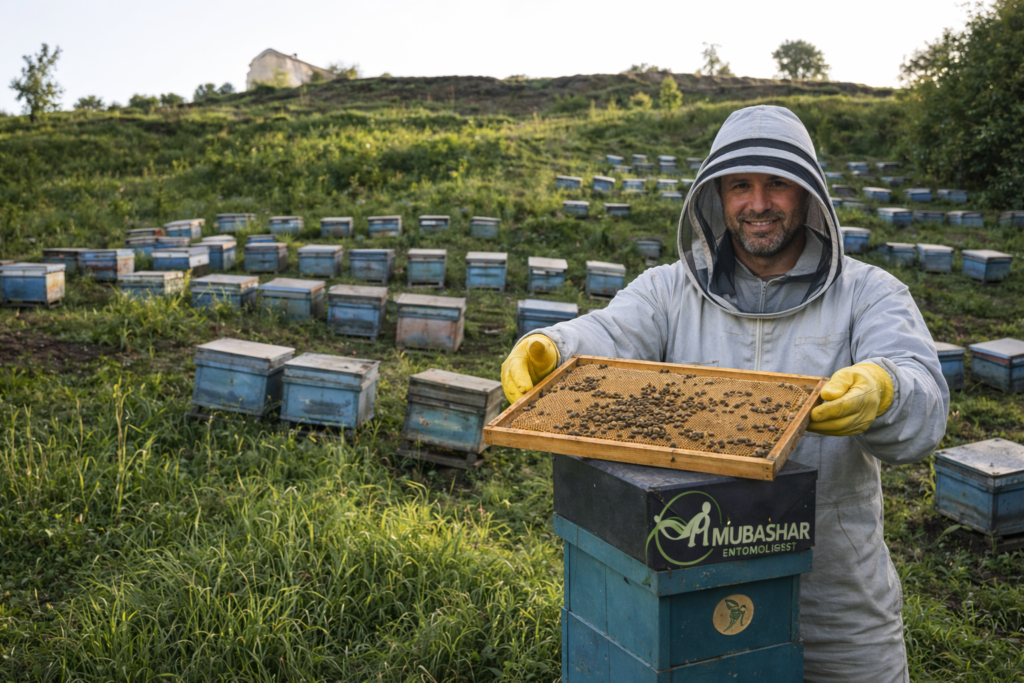
History of Apiculture – From Ancient Honey Hunters to 2025 Hives
Honestly, we’ve been chasing honey for over 15,000 years those Spanish cave paintings show people raiding wild nests like total daredevils. Ancient Egyptians leveled up around 2400 BC with clay hives and smoke, treating honey like currency and medicine. For ages, it stayed brutal: log hives, straw skeps, smash-and-grab harvests that killed colonies. The real breakthrough? 1851—L.L. Langstroth’s “bee space” discovery birthed movable frames, extractors, and modern hives.
By 2025, it’s exploded with tech: BeeHero’s AI sensors and solar HeroLink monitor millions of hives in real-time, slashing losses 20-30%. BroodMinder’s W5 scales ping your phone for swarms; Flow Hives let honey flow out tap-style. Precision beekeeping apps fight varroa and climate chaos, while urban rooftops and smart pollination contracts make it a legit eco-business. From cliff robbers to app-wielding heroes saving crops—bees finally got the partners they deserve!

Top Honey Bee Species Used in Apiculture
Honestly, while there are thousands of bee species, only five honey bees dominate apiculture worldwide in 2025:
- Apis mellifera (Western/European honey bee) – the absolute queen: calmest, highest honey yields, used in 95% of commercial operations from USA to Europe.
- Apis cerana (Eastern/Asian honey bee) – Asia’s favorite, smaller hives, super resistant to varroa mites and Thai sacbrood virus.
- Apis dorsata (Giant honey bee) – wild rock-bee of South Asia, massive single-comb nests, huge honey per colony but rarely domesticated.
- Apis florea (Dwarf honey bee) – tiny cute ones you see on single-comb branches, great for tropical areas and beginner observation.
- Apis koschevnikovi & andreniformis – niche in Borneo/Malaysia.
Products You Get from Apiculture (Honey, Wax, Royal Jelly & More)
Honestly, apiculture gives you way more than just honey—here’s the real gold:
- Honey → the star (antioxidant-packed, never spoils)
- Beeswax → candles, balms, wraps
- Royal Jelly → queen food, sold as pricey superfood/anti-aging cream
- Propolis → sticky resin bees use as glue; natural antibiotic tinctures
- Bee Pollen → protein bomb for smoothies

Why Apiculture Matters – Food, Money and Planet Saving
Honestly, if you’re wondering why apiculture (that’s just beekeeping with its fancy name) is such a big deal in 2025, here’s the real story: one-third of the food you eat—think almonds, apples, avocily, avocados—needs bees for pollination. No bees, empty shelves.
Money-wise
A single hive can drop 30-80 kg honey per year, plus wax, royal jelly and propolis that sell for crazy margins. I’ve seen side-hustle beekeepers in Pakistan clear six figures from 50 hives while farmers pay thousands per colony for pollination contracts.
Planet-saving part
Bees are free eco-warriors keeping ecosystems balanced. With wild pollinators crashing, managed apiculture is literally feeding the world and fighting biodiversity loss. Start one hive and you’re feeding your family, making cash, and saving the planet—one honey jar at a time. Worth it? 100%.
How to Start Beekeeping in Your Country in 2025 (Step by Step)
Honestly, starting beekeeping in 2025 is easier and more rewarding than ever—global honey demand is booming, and tech like hive-monitoring apps (BeeHero, BroodMinder) cuts losses big time.
Here’s the universal step-by-step that works from USA rooftops to rural India or Europe:
- Research local laws – Check if hives are allowed (most countries yes, but register in EU/USA for subsidies; some cities limit to 2-8 hives).
- Join a club & learn – Free online courses or local associations everywhere—vital for beginners.
- Buy gear – Full Langstroth/Flow Hive kit + protective suit: $300-800 globally.
- Get bees – Order nucleus colony or package (Apis mellifera for most places): $150-400, spring delivery.
- Set up site – Sunny, sheltered spot with water; urban balconies work in 2025.
- Install & manage – Feed if needed, monitor varroa with apps, harvest surplus only.
Beekeeping Earnings, Rules and Best Tips for Every Region (2025 Global Guide)
Honestly, earnings and rules vary wildly by region in 2025—here’s the quick breakdown from real beekeepers I know:
USA/Canada Earnings: 40–100 kg/hive, honey $8–15/kg → $5k–20k profit/10 hives + pollination contracts ($200/hive for almonds). Tips: Go Carniolan bees, use BroodMinder scales. Rules: Register hives in most states, no antibiotics allowed.
Europe (Germany, Spain, France) Earnings: 20–60 kg/hive, €8–20/kg organic → €4k–12k/10 hives. Tips: Flow Hives exploding in cities; plant lavender/phacelia. Rules: EU mandatory varroa treatment + hive registration.
India Earnings: 25–80 kg/hive (mustard/Sidr), Rs 300–1,500/kg → Rs 5–15 lakh/50 hives easy. Tips: Apis cerana in hills, mellifera in plains; migrate north–south. Rules: Register with KVIC for 35% subsidy.
Australia/New Zealand Earnings: 50–150 kg/hive Manuka, $50–200/kg → life-changing money. Tips: UMF testing mandatory for premium pricing. Rules: Strict biosecurity—no varroa yet!
Middle East (Turkey, Saudi, Yemen) Earnings: Sidr honey $100–500/kg → 10 hives can make $20k+. Tips: Keep near deserts Oct–Dec, shade is everything.
Africa (Ethiopia, Kenya) Earnings: 15–40 kg/hive, top-bar hives, $5–12/kg export. Tips: Traditional woven hives still rule, low cost.
Bottom line: wherever you are, start with 5–10 hives, recover investment Year 1, scale fast. Best money + planet-saving combo out there!
Conclusion
In simple terms, apiculture is just beekeeping done with intention raising honeybees for pure honey, useful hive products, and the pollination that keeps our food system alive. No matter where you live, starting with a couple of hives can bring extra income, cleaner food, and real environmental impact. It’s easy, rewarding, and honestly addictive once you see your first honey flow.
Frequently Asked Questions About Apiculture and Beekeeping
Honestly, these are the questions I get hit with every single day from beginners searching “what is apiculture” or “how to start beekeeping”:
Q: What is apiculture exactly?
A: Simple—apiculture is the scientific term for beekeeping: raising honeybees in hives for honey, wax, royal jelly, propolis, pollen, and pollination.
Q: Is apiculture different from normal beekeeping?
A: Zero difference in 2025. Apiculture just sounds fancier in textbooks.
Q: How much can I earn from beekeeping?
A: Worldwide, 5–10 hives often pay for themselves Year 1. Serious side-hustlers with 50 hives clear $10k–$50k+ profit yearly, especially with Manuka, Sidr, or pollination contracts.
Q: Do I need a lot of land?
A: Nope—two hives fit on a city balcony or rooftop. I know people in London, Dubai, and New York doing it right now.
Q: Will I get stung a lot?
A: First month maybe, but once you learn smoke + slow moves, stings drop to almost zero. Suit + veil = beginner’s best friend.
Q: Which bee species should I start with?
A: Apis mellifera (Italian/Carniolan) for most climates, Apis cerana if you’re in Asia and want varroa resistance.
Q: How much does it cost to start in 2025?
A: $400–800 globally for two hives, bees, suit, and tools. Many recover it from the first honey harvest.


