
Honestly, when I look at the internal workings of a colony, I see a perfectly tuned social unit where every individual has a specific role. There is no confusion and no “middle management” slowing things down. To truly understand how apiculture works, we have to look at the three specific types of bees in a hive that ensure the survival and productivity of the entire group.
I have found that the three types of honey bees, which include the Queen, the Workers, and the Drones, operate with a level of efficiency that rivals any modern business. This bee hierarchy is not just about who is in charge; it is about biological specialization. From my experience, understanding the types of honey bees is the only way to effectively manage a colony throughout the seasons, especially when the “swarming fever” takes hold in the spring months.
The funny thing is, while they all live in the same dark, crowded environment, these three types of honey bees have vastly different lifespans and physical capabilities. Whether it is the Queen laying thousands of eggs or the worker bees foraging for miles, each member of the bee hierarchy is essential for the hive to function as a “superorganism”.
What are the 3 Types of Bees and Their Roles in a Beehive?
If you are just starting out in beekeeping, the first question you likely have is: what are the 3 types of bees? Every colony is a social unit made up of three distinct castes. Each caste has a specific job that the others cannot perform, creating a balance within the bee hierarchy.
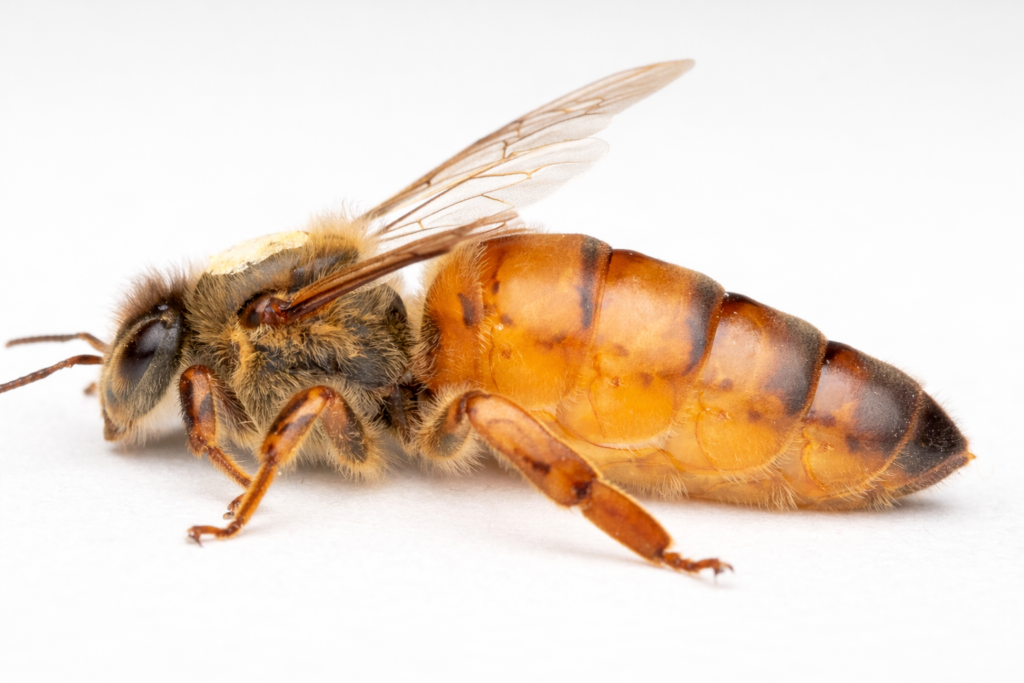
· The Queen: She is the reproductive heart and the only fertile female in the entire hive and only one in the colony and lead all colony.
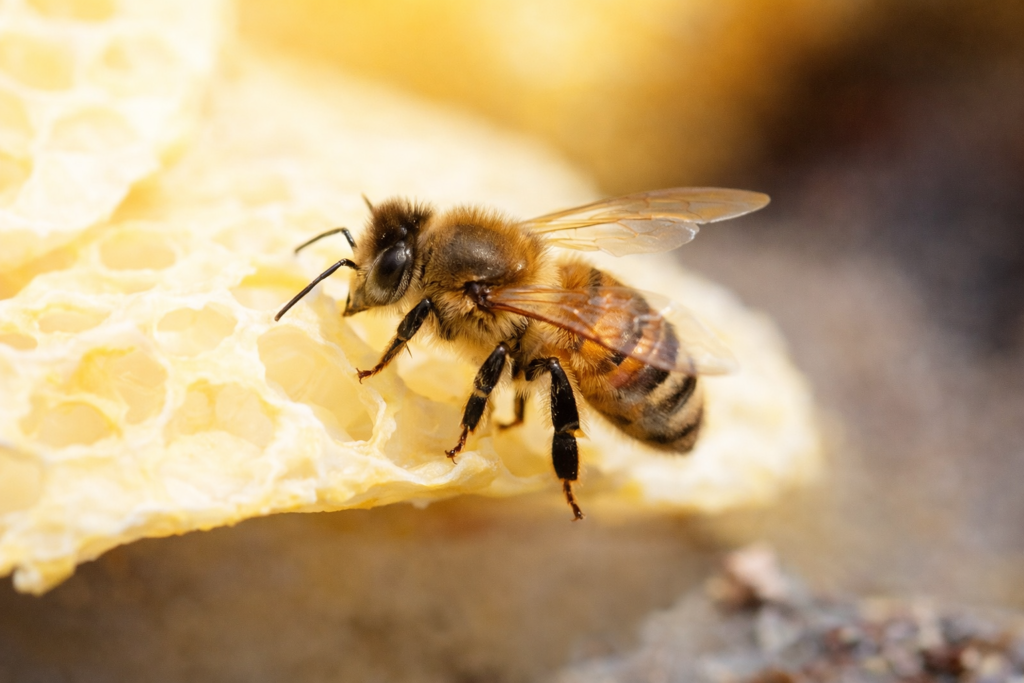
· The Workers: These are imperfectly developed females who do all the manual labor for the colony.
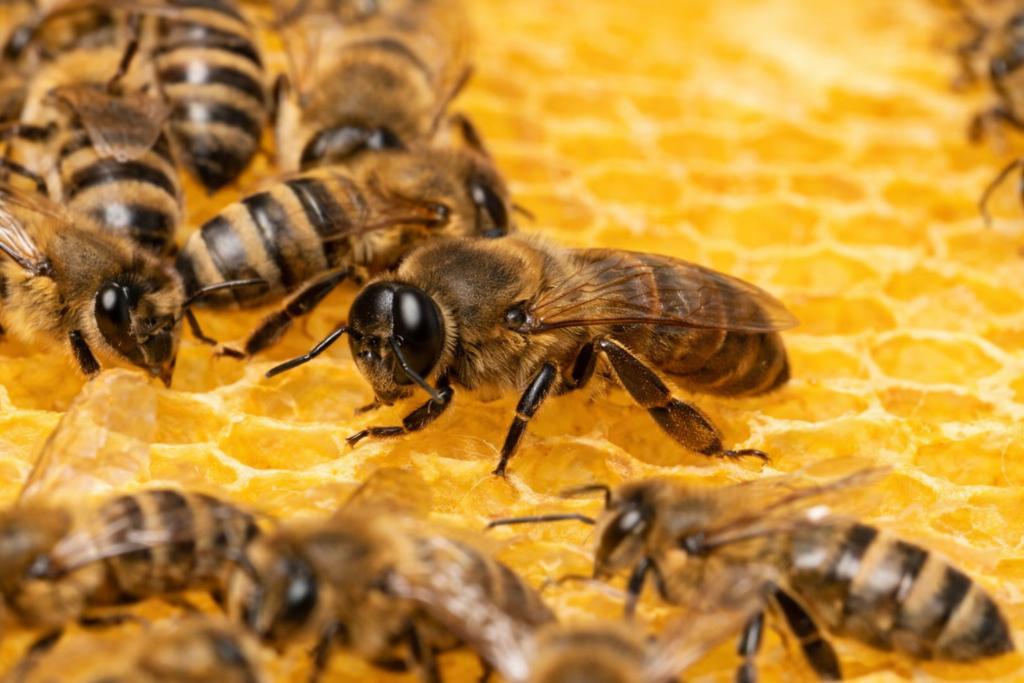
· The Drones: These are the only males, and they are dedicated entirely to the task of mating.
The Biological Anchor: What Does a Queen Bee Do?
The Queen is the central figure of the colony, but she is not a “boss” in the human sense. There is typically only one queen present in a colony, and her existence is the foundation for all other three types of honey bees.
Understanding the Queen Bee’s Role in Reproduction
The Queen’s entire life is dedicated to the survival of the species through reproduction. During the active season, she lays a staggering 15,000 eggs per day. I find it fascinating that her body is so specialized for this task; she has a large abdomen and a well-developed sting. However, she primarily uses that sting to kill rival queens before they can emerge and challenge her position.
What is the Queen Substance?
The Queen maintains the bee hierarchy through chemical communication. She produces pheromones often referred to as “queen substance”. This scent tells the other types of bees in a hive that she is alive and functional. It acts as a chemical signal that suppresses the reproductive instincts of the worker bees, ensuring that she remains the sole mother of the colony.
Genetic Output: Producing New Queens and Workers
The Queen is responsible for the entire genetic makeup of the hive. Her fertilized eggs produce worker bees or new queens, while her unfertilized eggs produce drones. When the colony needs a new queen, a larva is placed in a special cell and fed a richer, more nourishing food called Royal Jelly. This triggers her development into a fertile queen rather than a worker.
The Operational Engine: What is a Worker Bee?
When people talk about “busy bees,” they are talking about worker bees. They make up the main strength of the colony, often numbering 5,000 or more depending on the species strength. These are imperfectly developed females who do not lay eggs but handle every other task required for survival.
The Different Jobs of Worker Bees with in a Hive
I have always admired how worker bees change their roles as they get older. For the first three weeks after they emerge, they focus on indoor work:
· Nurses: They spend their time feeding and caring for the young larvae.
· Hive Cleaners: They ensure the cells stay sanitary and ready for new eggs.
· Wax Makers: They produce wax to build the complex structure of the hive.
· Guards: They stand at the entrance to protect the bee hierarchy from intruders.
How Do Worker Bees Get Their Roles? From Nursing to Guarding
After those first three weeks of indoor work, they transition to outdoor work. This involves the exhausting task of bringing back nectar, pollen, and water. It is a natural progression where the oldest and most experienced worker bees take on the risky job of foraging in the wild to support the three types of honey bees.
The Worker Bee Lifespan: Summer vs. Winter Survival
The lifespan of these three types of honey bees is directly tied to how hard they work. During the intense summer months, a worker’s life is only about 6 weeks. However, in the winter, when they are not foraging, they can live up to 6 months by huddling together inside the hive to create heat.
The Anatomy of a Worker Honey Bee: Built for the Bee Hierarchy
The anatomy of worker bees is perfectly designed for their varied roles in the bee hierarchy. Unlike the other types of honey bees, they are equipped with specific tools to maintain the colony.
· Wings and Compound Eyes: These are essential for navigating and spotting floral resources miles away from the hive.
· Antennae and Proboscis: The proboscis acts like a straw to suck up nectar, while the antennae are used for sensing the environment.
· Pollen Baskets and Wax Glands: They have specialized baskets on their legs to carry pollen and glands on their abdomen to produce wax foundations.
· The Honey Bee Stinger: While the Queen uses her sting on rivals, the worker bees use theirs to defend the entire bee hierarchy from predators, though it is often a fatal act for the bee.
The Genetic Contributors: What Does a Drone Bee Do?
Drones are the only males among the three types of honey bees. They have a very specific role in the hive that is often misunderstood.
The Singular Purpose of Drones in the Bee Hierarchy
Drones have no sting and they do not collect food; in fact, they are fed by the worker bees. Their only function is to mate with a virgin queen to ensure the genetic diversity of future colonies. Their life is relatively short, typically lasting nearly 2 months.
Drone Maintenance and the Seasonal Eviction
From my experience, the bee hierarchy is very practical about resources. Because drones consume honey without contributing to the manual work, the females will often kick them out of the hive before winter begins to save food stores.
The Annual Cycle of the Year: How the Hive Survives Together
The three types of honey bees must work in perfect unison to survive the changing seasons. During winter, bees neither do much work nor rear any brood; they simply sit together and eat honey to create heat. In the spring, usually mid March to mid April, the Queen starts laying eggs again and the colony becomes strong.
When the nest gets too crowded, the bee hierarchy prepares for swarming. The old queen takes a large group of worker bees and leaves to find a new home, while a new queen emerges to take over the parent colony. This process involves scouts searching for a new place and the swarm settling there within 2 to 48 hours.
Conclusion
At the end of the day, the survival of the hive depends on the perfect coordination of the three types of honey bees, from the Queen laying her thousands of eggs to the worker bees performing their indoor and outdoor duties, the bee hierarchy is a masterclass in social organization. When you understand what are the 3 types of bees and their specific roles, you begin to see why honey production is such a biological miracle. By providing artificial comb foundations and managing the hive properly, we can support these types of bees in a hive and ensure they do not waste precious energy building wax when they could be storing honey for the winter months. It is the responsibility of the beekeeper to monitor the swarming fever and ensure the parent colony remains strong even after the old queen departs. Ultimately, a healthy hive is one where every member of the bee hierarchy is able to fulfill its biological purpose in a stable environment.
FAQs Regarding Types of Bees in a Hive
1. What are the 3 types of bees? The three types are the Queen (reproductive mother), the Workers (non-reproductive females), and the Drones (males).
2. How long do the three types of honey bees live? Queens live 2 to 3 years, drones live about 2 months, and workers live 6 weeks in summer or up to 6 months in winter.
3. Do all types of bees in a hive have stingers? No. Queens and workers have stingers, but drones do not have a sting at all.
4. What is the main job of worker bees?
Worker bees handle all the work including nursing, cleaning, wax making, and foraging for nectar and pollen.
5. How many eggs does a Queen lay? During the active season, a Queen can lay up to 15,000 eggs per day to keep the colony strength high


