
Honestly, many people view apiculture simply as the practice of keeping bees for honey production, but the reality is far more complex. When I look at the biodiversity of these insects, I see a specialized world where each species or types of honey Bees has evolved specific habits for its native environment. In Pakistan alone, four distinct types of honey bees are identified, ranging from the wild, ferocious giants found on cliffs to the gentle, domesticable stocks preferred for commercial use.
I’ve found that understanding these honey bees types is the first step toward successful management. It isn’t just about the honey; it’s about recognizing the biology of social insects that live in highly structured colonies. From my experience, choosing the right types of honey bees depends entirely on your specific goals whether you are looking for high yields from wild combs or a stable, manageable colony for a professional apiary.The funny thing is, while most honey bees share a similar social structure, their nesting preferences and temperament couldn’t be more different. For instance, the Rock bee builds in open sunlight, while the European species of honey bees refuse to work unless in a concealed, dark environment. Each species plays a unique role in our ecosystem, and knowing the difference between the “doomna makhi” and the “choti makhi” is vital for anyone serious about the science of apiculture.
The Five Principal Species or Types of Honey Bees
In regional apiculture, the different types of honey bees identified have very different economic and behavioral profiles. While four are primary in the Apis genus, we must also consider the unique role of the Dammer Bee in the wider ecosystem.
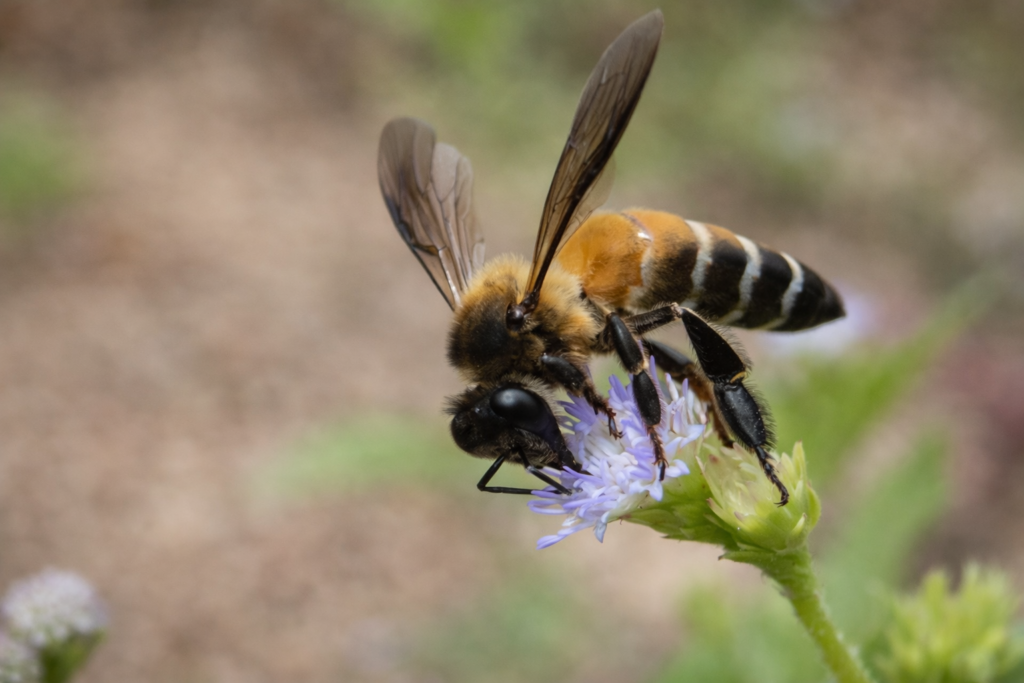
1. The Rock or Wild Bee (Apis dorsata)
The Rock bee, scientifically known as Apis dorsata, is a formidable species famously referred to in local regions as the “doomna makhi”. From my experience, this is the “heavyweight” of the bee world, as they are the largest types of honey bees found across the region. Unlike the domesticated varieties you might find in a wooden box, these are strictly wild bees that demand open, high-altitude spaces for their colonies.
Nesting and Architecture
They are master architects of the open air, and their hive structure is quite specific:
· Massive Combs: A single colony constructs one large comb that can reach dimensions of $5 \times 2$ feet.
· Open Locations: A key biological trait of these different types of bees is that they always build in open places, such as rock bases or big trees, and never in darkness.
· Natural Habitats: They are commonly found in sub-mountainous regions, often at altitudes reaching 2700 m.
Production and Behavior
From a production standpoint, these types of bees are unmatched, but they come with significant challenges:
· High Yield: They are very good honey yielders, capable of producing roughly 80 lbs of honey from a single comb.
· Ferocious Nature: I’ve found that these honey bee types are incredibly aggressive and possess a sting that is notoriously painful.
· Persistence: When enraged, they exhibit an extreme level of persistence, sometimes following a victim for miles—even if the person tries to hide in water.
Management and Extraction
Because of their temperament, they cannot be domesticated like the European species of honey bees. Instead, the extraction of combs is usually done through traditional, dangerous methods:
· Traditional Methods: To harvest the honey, hunters typically use smoking or burning to clear the bees from the site.· Wild Status: They are generally considered a “wild” species rather than one that can be managed in a standard apiary.
2. The Little Bee (Apis florea)
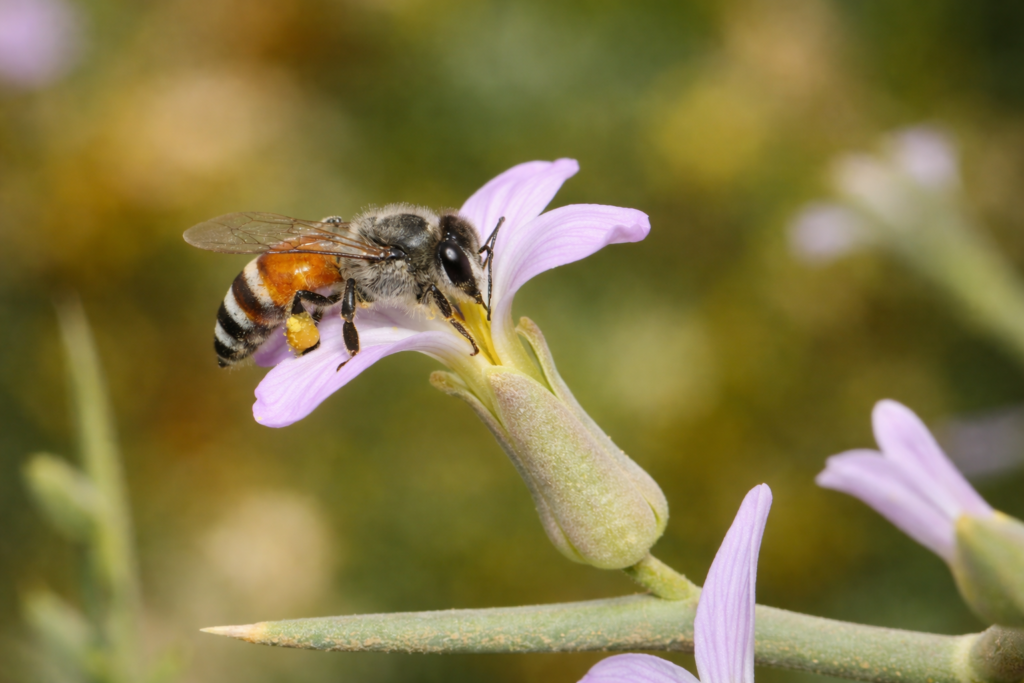
Commonly known in local regions as the “little bee” or “choti makhi,” Apis florea is a fascinating species that represents the smallest of the primary types of honey bees. While they share the social structure of larger bees, their biological habits and economic output are quite distinct, making them more of a natural wonder than a commercial powerhouse.
Nesting Habits and Architecture
These different types of bees are master builders on a miniature scale:
· Single Comb Structure: They construct a single, vertical comb that is typically no larger than the size of a human palm.
· Varied Locations: You’ll find these honey bee types building their homes in bushes, branches of trees, or even within houses.
· Open Air Preference: Like the Rock bee, they prefer to build in the open rather than in dark, concealed hives.
· Plains over Hills: They are generally distributed in the plains and are rarely found in hilly areas above an altitude of 450 MSL.
Production and Medicinal Value
From a business perspective, these types of honey bees are not considered economical for large-scale production, but they are highly valued for other reasons:
· Low Honey Yield: Each hive typically produces only a few pounds of honey per year, which is why they are not favored for commercial beekeeping.
· Chemical Properties: Honestly, the real story here is the quality; their honey is highly praised and sought after for its unique medicinal and chemical properties.
· Traditional Use: Because of these properties, “choti makhi” honey is often sold at a premium for traditional health treatments.
Defense and Management
There is a common misconception about the safety of this species of honey bees:
· The Stinger Myth: While they are frequently described as stingless due to their small size, it’s important to know that they actually do possess a sting.
· Difficult to Domesticate: These types of honey bees are notorious for frequently changing their location. Because they are prone to “absconding” (leaving the nest), they are very difficult to rear in a fixed apiary.· Small Stature: They are easily identified as the smallest among the four primary Apis species described in the region.
3. The Hill or Domestic Bee (Apis cerana)
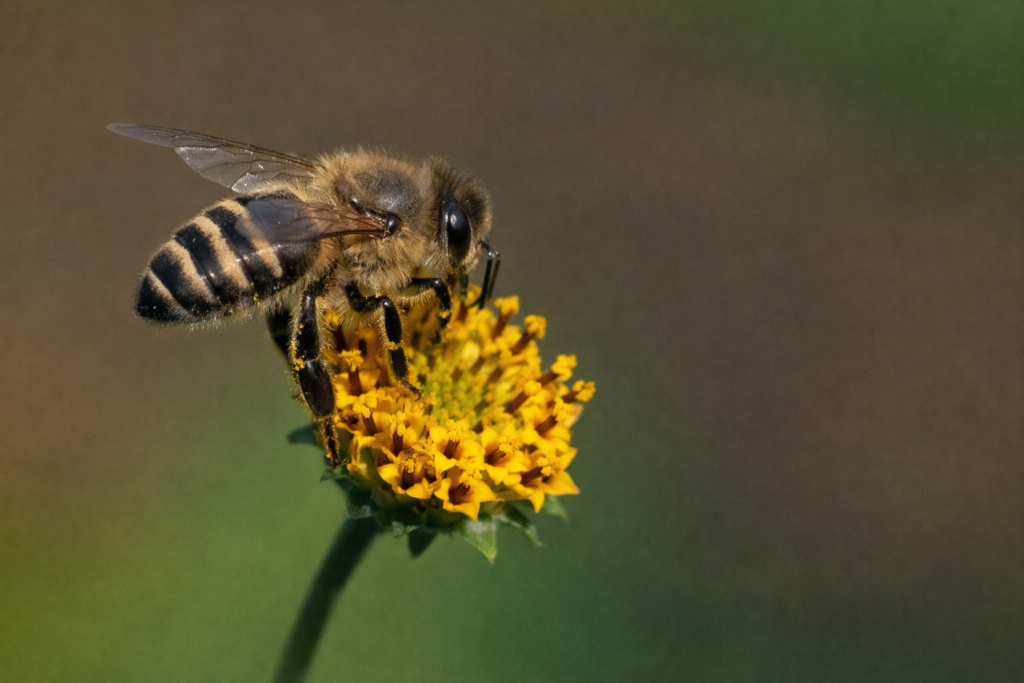
The Hill bee, also frequently called the “domestic bee,” is a species of honey bees I find particularly interesting because of its historical role in regional beekeeping. It represents a bridge between the wild, aggressive species and the highly commercialized European varieties. In Pakistan, they are a staple for those living in rugged, mountainous terrains.
Regional Distribution
These types of honey bees are perfectly adapted to higher altitudes and specific climates:
· Common Locations: You will primarily find them in the Murree Hills and the hilly tracts of Peshawar, Chitral, and D. I. Khan.
· Altitude Preferences: They thrive in mountainous regions where other different types of bees might struggle with the cooler temperatures.
Nesting Habits and Architecture
The way these honey bees build their homes makes them much easier to manage than their wild cousins:
· Concealed Environments: Unlike the Rock bee, they prefer to live in hives within close covers, such as crevices of rocks, walls, and hollow trees.
· Parallel Combs: They build several combs side by side, which sit parallel to each other.
· Domestic Potential: Because they seek out dark, protected spaces, they are naturally inclined to live in man-made hives.
Production and Economic Value
From my experience, while they aren’t the highest yielders in the world, they are reliable producers for local economies:
· Honey Yield: In modern hives, these honey bee types provide an average yield of about 20 lbs per colony.
· Efficiency: They are larger than the Little bee but smaller than the European species of honey bees.
· Domestic Management: Since they can be hived, they allow beekeepers to harvest honey without the destructive methods of smoking and burning used for wild colonies.
Survival and Defense
These bees have developed specific traits to survive in their native environments:
· Resilience: They are known for being much better at defending their colony against local predators, like hornets, compared to imported species.· Movement: They do have a tendency to swarm or “abscond” (leave the hive) if they feel the nest is too crowded or under threat.
4. The European or Australian Bee (Apis mellifera)
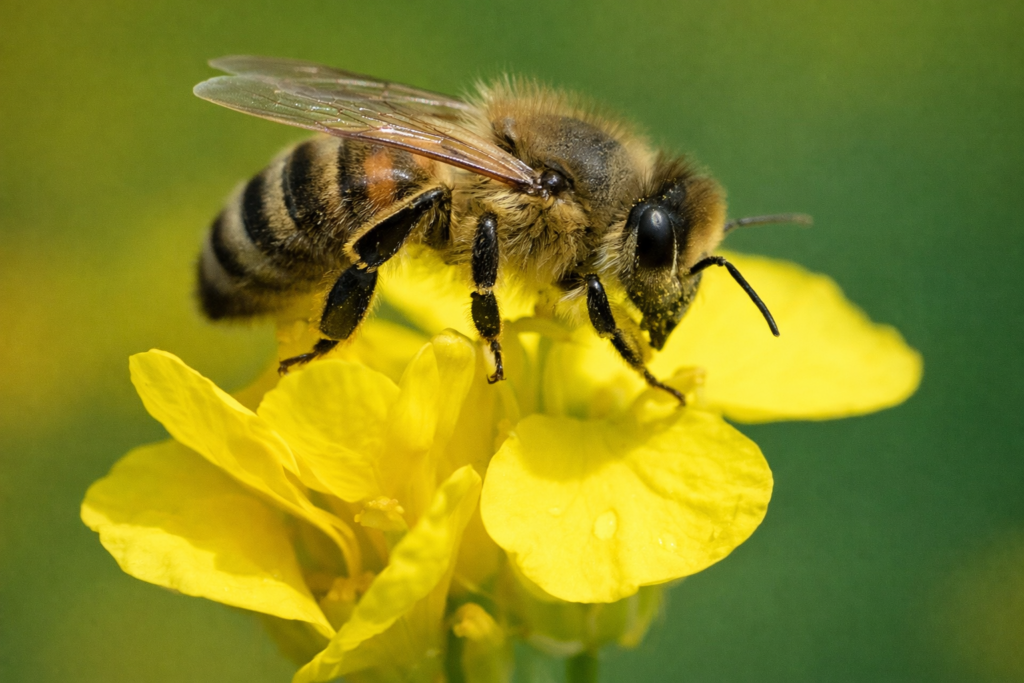
Often referred to as the European or Australian bee, Apis mellifera is the most significant species of honey bees for the global commercial honey industry. While it was imported into the region, its habits are quite similar to the local Hill bee, making it a favorite for professional beekeepers who prioritize high production and ease of management.
Management and Domestication
From a professional perspective, these types of honey bees are the easiest to manage in a large-scale operation:
· Concealed Nesting: They prefer to live in a concealed environment, which allows them to adapt perfectly to modern man-made hives.
· Low Swarming Tendency: Unlike many local honey bee types, they are less prone to swarming, meaning the colony stays together longer to produce more honey.
· Ease of Use: Their calm nature and willingness to stay in one place make them the most easily domesticated bees available today.
Production and Yield
If you’re looking for a reliable business model, these types of honey bees are the “gold standard” for yield:
· High Output: On average, they produce between 10 to 30 lbs of honey per colony.
· Efficiency: They are considered good honey yielders because they are work-oriented and highly efficient in their foraging habits.
· Global Popularity: Their high performance is the reason they have been spread from Europe to almost every corner of the world.
Technical Advantages
There are specific reasons why this types of honey bees is preferred in modern apiculture:
· Frame Adoption: They take very well to artificial comb foundations supplied in frames, which prevents them from wasting honey to create their own wax.
· Predictable Cycles: Their activity throughout the year is well-documented, allowing beekeepers to plan for the spring expansion and winter huddling periods effectively.
5. The Dammer Bee (Melipona irridipennis)
While not belonging to the Apis genus like the other four different types of bees mentioned, the Dammer bee (also known as the stingless bee) is an essential part of the regional ecosystem. These bees offer a completely different experience for those interested in the medicinal side of apiculture.
Physical Traits and Nesting
These are the “minis” of the bee world, and their habits are quite unique:
· Small Stature: They are much smaller than true honey bees and are often mistaken for small flies at a distance.
· Resinous Hives: They build irregular combs using a mixture of wax and resinous substances, typically found in hollow tree trunks or crevices.
· Lack of Sting: Although they are known as stingless bees, they are not defenseless; they will bite intruders or enemies to protect their nest.
Economic and Medicinal Value
From my experience, while you won’t get rich selling their honey by the gallon, the quality is unparalleled:
· Very Low Yield: A single hive may only produce about 100 grams of honey per year.
· High Medicinal Demand: Their honey is highly prized in pharmaceutical and traditional medicine for its unique chemical properties.
· Pollination Role: They are extremely important for the pollination of various food crops, often visiting smaller flowers that larger types of honey bees might ignore.
Conclusion
At the end of the day, the success of any apiculture project relies on an in-depth understanding of these different types of honey bees and their specific seasonal cycles. Managing the high-output but aggressive Apis dorsata requires a completely different approach and safety protocol than the stable and domesticated Apis mellifera. From my perspective, the real challenge in beekeeping is adapting to the specific biological needs of each species of honey bees, such as providing artificial comb foundations to prevent the colony from wasting up to 12 lbs of honey just to produce a single pound of wax. By respecting the natural behaviors of these species—from the ferocious “doomna makhi” to the medically valuable Dammer Bee—beekeepers can ensure a sustainable yield while supporting the vital work of pollination across various terrains. Ultimately, the goal is to work with the bees’ natural instincts, whether that means managing the swarming fever in the spring or ensuring the hive has enough heat-producing honey stores to survive the winter months.
size=3 width=”100%” align=center data-path-to-node=50>
Frequently Asked Questions
1. Which species of honey bees is the most productive for honey harvesting? From a purely volume-based perspective, the Rock bee (Apis dorsata) is the highest yielder, producing up to 80 lbs of honey from a single comb. However, for commercial beekeeping, the European (Apis mellifera) are preferred because they are easier to domesticate and provide a reliable yield of 10–30 lbs per colony without the aggression of wild species.
2. Is the Little bee (Apis florea) actually stingless? There is a common misconception that the Little bee, or “choti makhi,” is stingless. While they are very small and generally less aggressive than the Rock bee, they do possess a sting. The only truly “stingless” variety often discussed in regional apiculture is the Dammer bee, which defends its nest by biting rather than stinging.
3. Why do beekeepers provide artificial comb foundations in hives? Bees consume a significant amount of resources to build their own homes; specifically, they must consume 8–12 lbs of honey just to produce 1 lb of wax. By supplying artificial comb foundations in frames, beekeepers save the bees from this heavy honey consumption, allowing the colony to focus their energy on storing honey instead.
4. How can you tell the difference between the Indian Hive bee and the European species of honey bees? Both Apis cerana (Indian Hive bee) and Apis mellifera (European bee) share similar habits, such as living in concealed environments and building parallel combs. However, the European types of honey bees are generally less prone to swarming and easier to manage in modern apiaries compared to the local hill varieties.
5. What happens to a colony during the winter months? Bees remain active throughout the year, but their behavior changes to conserve energy during the cold. During winter, they stop rearing brood and do not perform much outdoor work; instead, they huddle together inside the hive and consume their stored honey to generate the heat necessary for survival.
Would you like me to start the second article focusing specifically on the hive hierarchy of the Queen, Workers, and Drones?


